
Feeling Stuck? How I Use EFT and ACT to Help You Move Forward
Updated: Aug 4
There's a particular kind of exhaustion that brings people to therapy.
It's not always dramatic. It doesn't always have a name. It's more like a slow, grinding awareness that you keep ending up in the same place — the same arguments, the same anxiety, the same patterns — no matter how hard you try to do things differently. You're not lazy. You're not broken. You're just tired of spinning.
If that resonates, this post is for you.
Why Knowing Isn't Enough
Most people who come to therapy already know something is off. They've read the books. They've listened to the podcasts. They can describe their patterns with impressive clarity. And yet — knowing hasn't been enough to change things.
That's not a failure of insight. It's a signal that insight alone isn't the whole answer.
What's often missing isn't more information about what's happening. It's a deeper connection to the experience underneath it — the emotions that are driving the pattern, the values that have been quietly buried under the weight of surviving, the sense of agency that got lost somewhere along the way.
That's where the work I do begins.

Two Approaches. One Coherent Thread.
I draw on two frameworks that work particularly well together — Emotionally Focused Therapy (EFT) and Acceptance and Commitment Therapy (ACT). In practice they don't feel like two separate things. They feel like one honest conversation about what's happened to you, who you are now, and where you want to go.
Here's how I think about it:
EFT invites us to look at the cycles and patterns that keep showing up in your life — the ones that leave you feeling stuck, disconnected, or overwhelmed. Not to analyze them from a distance, but to actually feel into them. To get curious about the emotions underneath. The ones that have been driving the pattern from beneath the surface, often without your awareness.
ACT then asks: given what you've discovered — given what you feel and what you know about yourself — what do your values say about the path forward? Not what you think you should want. What actually matters to you, in your bones.
Together they create something that feels less like therapy and more like finally being able to see clearly.
The Past. The Present. The Future.
The way I experience this work unfolding — and the way I've watched it unfold for the people I sit with — follows a natural arc.
The Past
This is where we begin. We acknowledge what you've experienced and how it has shaped you. Not to dwell there, and not to assign blame, but because your patterns make complete sense when you understand where they came from. The anxiety, the walls, the ways you've learned to protect yourself — they were responses to something real. Honoring that matters.
The Present
This is where we get honest. Who are you now? What are you actually feeling, underneath the exhaustion and the coping and the performing? This is often the most surprising part of the work — because when people slow down enough to feel what's actually there, it's rarely what they expected. It's usually something more tender. More human. More understandable.
The Future
This is where the work becomes yours. Once you're connected to yourself — really connected, not just intellectually aware — something shifts. You begin to feel agency again. The sense that you have a say in what happens next. That your values can guide you somewhere meaningful rather than just somewhere familiar.
That shift is visible in the room. It's one of the most profound things I get to witness in this work.
What This Feels Like
When these two approaches come together for someone, there's a quality to it that's hard to describe but unmistakable to observe. A kind of settling. A returning.
People describe feeling more like themselves than they have in years. More connected — to their own experience, to what matters to them, to the people they love. Less at the mercy of the patterns that used to run the show. Not because the hard stuff has disappeared, but because they've developed a different relationship with it. One rooted in understanding rather than avoidance. In values rather than fear. In presence rather than survival.
That's what psychological flexibility actually feels like from the inside. Not the absence of difficulty — but the capacity to move through it without losing yourself.
This Work Is for You If...
You find yourself reading this and nodding — if the words "stuck," "exhausted," or "disconnected" land somewhere true — this kind of work might be exactly what you've been looking for.
You don't have to figure it out. You don't have to know which pattern is the problem or where it came from. You just have to be willing to slow down enough to look — and curious enough to ask what might be possible on the other side of it.
That's enough to start.
Ready to take the next step? I'd love to hear from you. Reach out here — new clients are welcome on a private pay basis and I'll be in touch to connect and talk through next steps.
Curious what a first session looks like? Here's what to expect →
Have questions first? Good Questions has answers.
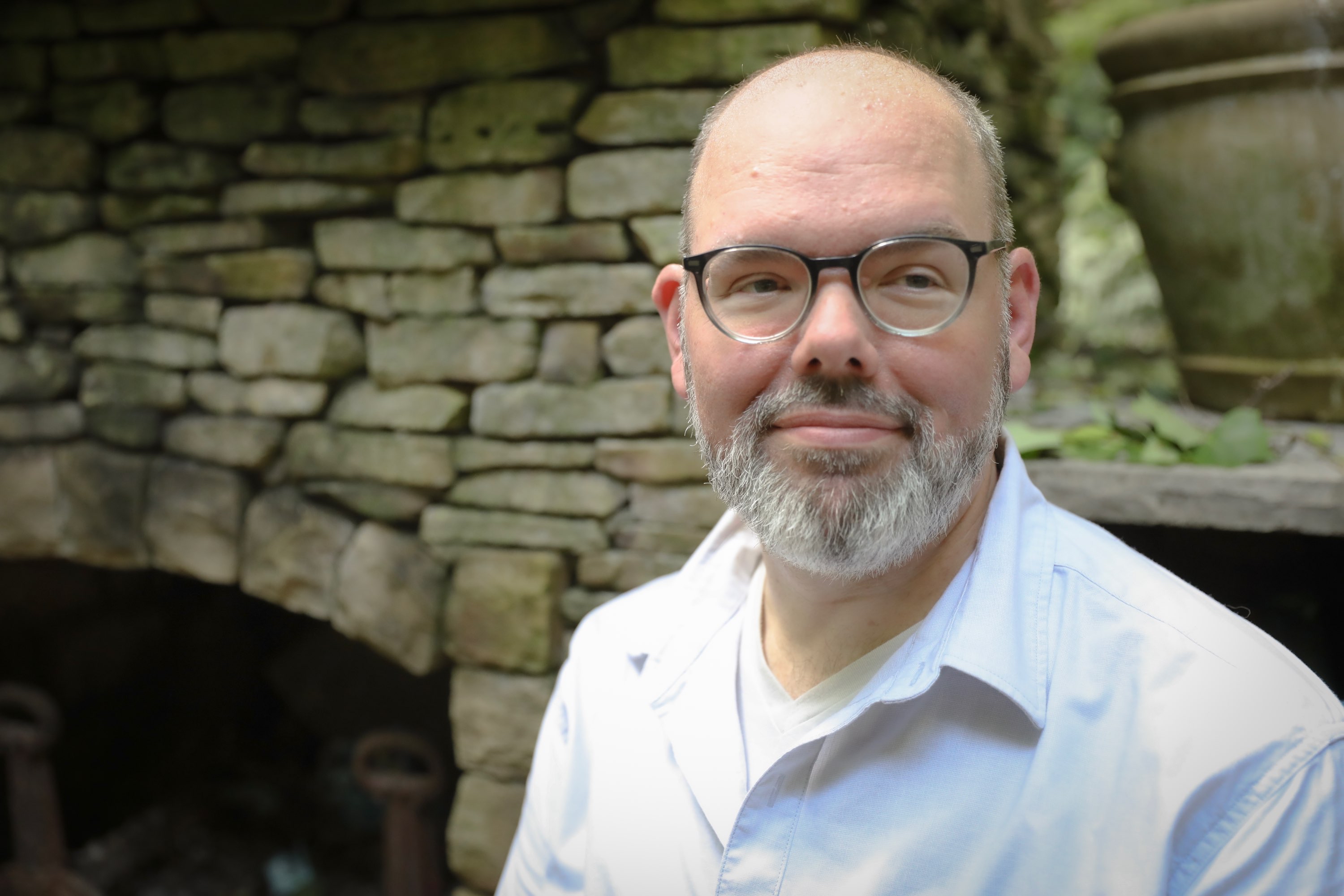
I'm Tim Jackson, a licensed therapist in East Nashville, Tennessee. I work with individuals who sense that something significant is shifting in ways that are hard to get ahead of. If that's where you are, I'd be glad to talk.
You Might Also Find This Helpful:
This post is for informational purposes only and is not a substitute for professional mental health support. Reading this blog does not create a therapist-client relationship. If you're in crisis, please contact the 988 Suicide and Crisis Lifeline by calling or texting 988.


