
Life After Deconstruction: Finding Meaning on the Other Side
Deconstruction gets a lot of attention. The questioning, the unraveling, the grief of watching a framework come apart — those experiences are real and they deserve the attention they're starting to receive. What gets considerably less attention is what comes after. The part where the framework has shifted significantly and the question is no longer whether the old story holds, but what happens now that it doesn't.
That question is harder than it sounds. And it deserves more than the cultural response to deconstruction often gives it — which tends to be either celebration of the freedom or alarm at the loss, and not much honest engagement with the actual work of building something new.
This is the fourth post in a series on deconstruction. The earlier posts covered what deconstruction is, what it does to mental health, and how faith communities can cause harm. This one is about what comes after.
The problem with the word reconstruction
Reconstruction is the word most commonly used to describe what comes after deconstruction — and it's a reasonable word, as far as it goes. But it can imply something tidier and more deliberate than what the process often looks like from the inside.
Reconstruction isn't usually a project someone undertakes with a clear plan. It's more like a gradual accumulation — of new experiences, new relationships, new ways of understanding the world that slowly begin to provide some of what the old framework once provided. It doesn't tend to happen on a schedule, and it doesn't tend to produce a finished product that resembles what came before.
For many people, what reconstruction looks like is less a building and more a growing. Something organic rather than architectural. New roots finding their way into new ground, not because someone planned it, but because that's what living things do when the old container can no longer hold them.
That framing matters because it takes some of the pressure off. If reconstruction is a project, it can be done wrong, done too slowly, or left incomplete. If it's more like a natural process, the question shifts from "am I doing this right" to something closer to "what does this particular person, in this particular life, actually need in order to grow."
Finding new sources of meaning
One of the more disorienting things about life after deconstruction is that the framework that once provided meaning — a comprehensive account of why things are the way they are, what the self is for, what happens after death — is no longer available in the way it was. That leaves a real gap.
The gap doesn't fill quickly, and it doesn't fill with a single thing. Meaning after deconstruction tends to be more distributed and more personal than the meaning a comprehensive religious framework provides. It comes from multiple sources rather than one. It's built incrementally through lived experience rather than received as a package.
What those sources look like varies enormously from person to person. For some people, meaning gets rebuilt around relationships — a deeper investment in the people who are genuinely present and chosen rather than assigned by community membership. For others it comes through creative work, through service, through engagement with nature or beauty or ideas. For some people, meaning after deconstruction eventually involves a return to something spiritual — held differently, arrived at through inquiry rather than inheritance.
What tends to be worth resisting is the pressure to arrive at a finished account of meaning quickly. The gap is uncomfortable, and there's a natural impulse to fill it as fast as possible — with a new ideology, a new community, a new certainty that feels like a replacement for the old one. That impulse is understandable. It also sometimes forecloses on the more genuine inquiry that a slower process allows.
Rebuilding identity outside a religious framework
For people whose faith was deeply integrated into their identity — not just what they

believed but who they were, how they understood themselves, what community they belonged to — deconstruction can produce a genuine identity crisis. The question of who one is without the framework can be pressing in ways that feel unmoored.
That identity reconstruction tends to be slow and nonlinear. It involves discovering, often gradually, what one actually values as distinct from what one was told to value. What one is drawn toward when the external pressure to conform is no longer operating. What kind of person one wants to be when the answer isn't prescribed by a tradition.
The posts on Jung's individuation and when you don't know who you are anymore both get at something relevant here — the way significant identity disruptions, however painful, are sometimes the beginning of becoming more genuinely oneself rather than a version of oneself shaped primarily by external expectation.
That doesn't make the disruption comfortable. But it can make it more meaningful — a passage rather than simply a loss.
Finding community after leaving a faith tradition
Community is one of the most significant and most practically difficult things to rebuild after deconstruction. Religious communities often provide a dense social world — relationships, shared rituals, mutual support, a sense of belonging within a larger story. When that community is lost, either through leaving or through the community's response to one's questioning, the absence can be profound.
Finding community after deconstruction is genuinely hard. The communities that exist for people navigating this space — online deconstruction communities, ex-religious groups, progressive faith communities — vary enormously in what they offer and who they serve. Some people find genuine belonging in them. Others find that they're organized primarily around what people are leaving rather than what they're moving toward, which can extend the deconstruction phase without much support for what comes after.
What seems to matter most in rebuilding community isn't finding people who share the same beliefs — or the same absence of beliefs. It's finding people who share the same values. Honesty, curiosity, genuine care, the willingness to be present with uncertainty rather than rushing to resolve it. Those qualities can be found in many kinds of communities, religious and otherwise, and they tend to be more durable foundations for belonging than shared doctrine.
What therapy can offer in this phase
Therapy during the reconstruction phase is different from therapy during the deconstruction phase — though the two often overlap and the boundary between them is rarely clean.
In the reconstruction phase, what tends to be most useful is the kind of support that helps someone figure out what they actually want — what matters to them, what kind of life they're trying to build, what sources of meaning are beginning to emerge and what's getting in the way of them taking root. That's less about processing what happened and more about accompanying someone through the slower, less dramatic work of becoming.
The therapy relationship itself offers something specific here — a consistent, curious, present witness who has no investment in the outcome. Someone who can hold the thread of who the person is across sessions, notice what keeps surfacing, and help make visible what is often difficult to see from inside the experience.
You can read more about how this kind of work fits into the broader approach on the Approach page.
Where to go from here
If you're somewhere in the space after deconstruction — not sure what you believe, not sure who you are outside the framework that once provided those answers, not sure where you belong — that's a real and workable place to be. It doesn't require having it figured out before reaching out.
Working with a therapist is an investment — in time, in money, and in a kind of attention most people don't often give themselves. If you have questions before reaching out, the Good Questions page tends to answer most of what people want to know.
And if you're ready to talk, reach out here. New clients are welcome on a private pay basis.
Curious what a first session looks like? Here's what to expect →
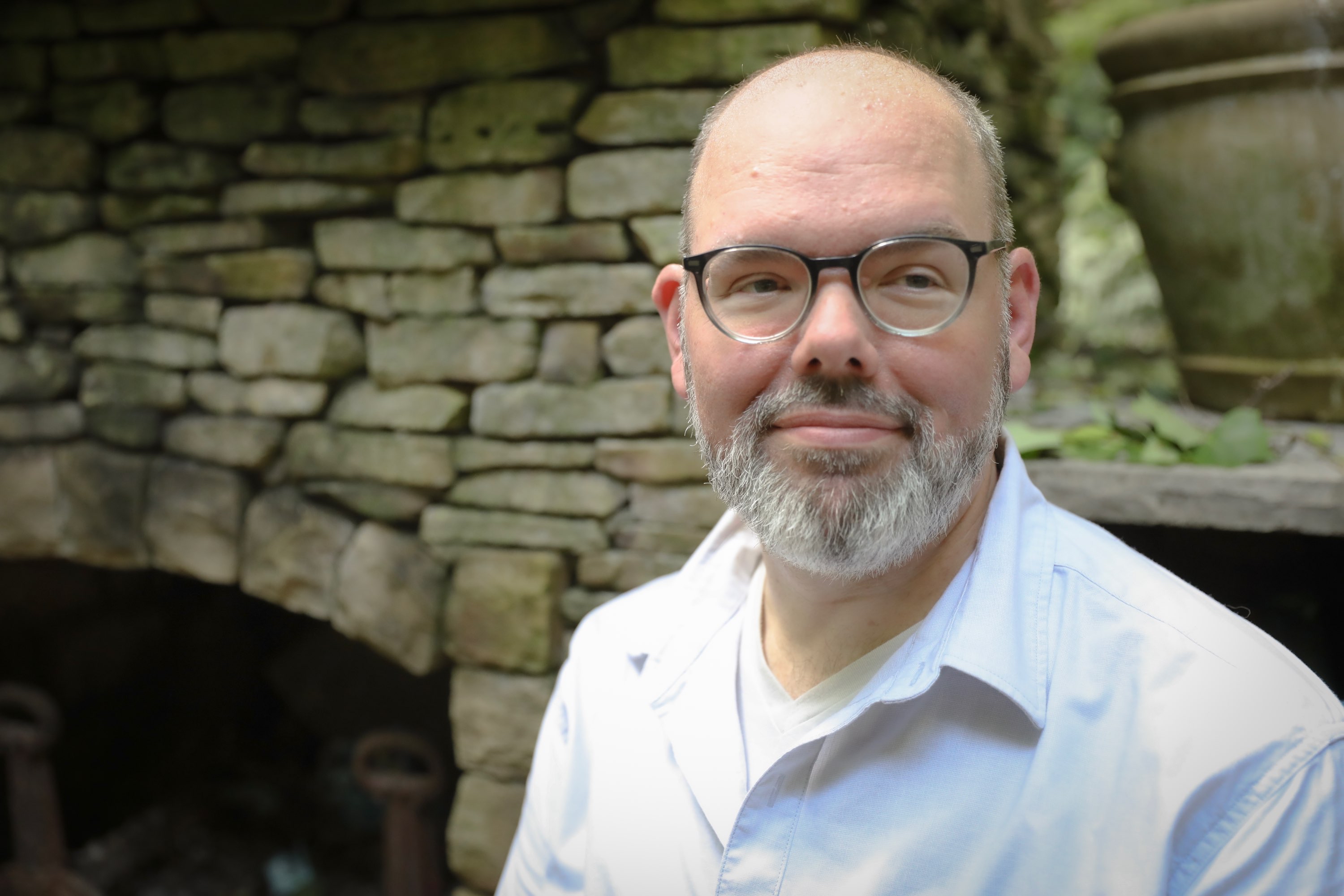
I'm Tim Jackson, a licensed therapist in East Nashville, Tennessee. I work with individuals navigating life after deconstruction — the questions about meaning, identity, and belonging that follow when the old framework no longer holds. If that's where you are, I'd be glad to talk.
This post is for informational purposes only and is not a substitute for professional mental health support. Reading this blog does not create a therapist-client relationship. If you're in crisis, please contact the 988 Suicide and Crisis Lifeline by calling or texting 988.


